Shoe Design Embroidery Review
A First Look at Shoe Design
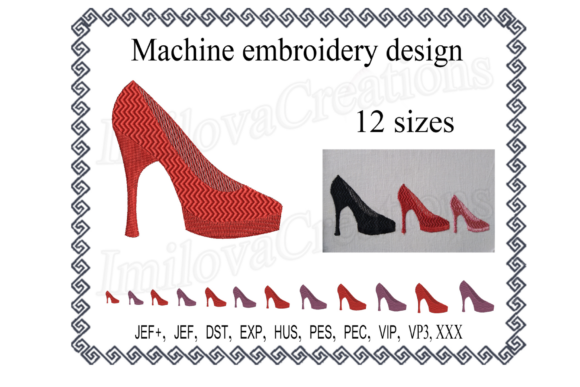
At first glance, Shoe Design feels like a playful yet versatile machine embroidery design. The shape is clean, the theme is universally relatable, and the layout has a balanced visual rhythm that makes it easy to imagine on different surfaces. It carries a casual, approachable mood—perfect for custom apparel or handmade products that need a touch of personality without being too literal.
The detail level is just right—not overly complex but not too simple either. It’s one of those designs that can be stitched with confidence on a variety of fabrics and still look polished. Whether you're creating a personalized gift or a boutique product, Shoe Design feels like a natural fit for projects that want to stand out without shouting.
Real-World Use: Custom Tote Bag Project
Let’s say I’m preparing a custom embroidered tote bag for a small shop. The client wants something fun and recognizable but also professional enough to appeal to a broad audience. Shoe Design would work well in this scenario. It adds character without overwhelming the fabric, and its simplicity allows for creative placement—maybe on the front pocket or along the side seam.
I’d consider how the stitch density interacts with the fabric texture. A woven canvas tote would handle the design well, while a stretchy fabric might require extra stabilizer to keep the stitches from puckering. This is where practicality comes into play—knowing when to adjust the hoop size or thread colors based on the final product.
For a tote bag, the embroidery file should be tested on scrap fabric first. Checking thread color contrast is essential, especially if the final product will have dark or light backgrounds. A black and white mockup could help visualize how the design will pop against different colors.
Where to Use Shoe Design with Caution
Shoe Design is great for most embroidery projects, but there are a few areas where it needs careful handling. Small hoop sizes might not capture the full detail, so confirming the required hoop size before stitching is crucial. Textured fabrics, like burlap or denim, could affect stitch clarity, so using proper stabilizer becomes even more important.
Thin or stretchy fabrics, such as those used in baby clothes or caps, may need additional support to prevent distortion. Also, if the design is going on a curved surface like a cap or a pillow cover, adjusting the layout for the curve is necessary to maintain its visual integrity.
Dense stitch areas or decorative accents might require a lighter stitch density to avoid overloading the fabric. For commercial embroidery projects, ensuring the machine embroidery design works well across multiple fabric types is key to maintaining brand consistency and customer trust.
Visual Appeal and Product Value
The applique design of Shoe Design contributes to the overall visual appeal of any finished product. It’s subtle enough to complement other elements but bold enough to make an impression. When applied to a sweatshirt, tote bag, or even a baby item, it adds a layer of personalization that customers appreciate.
For Etsy sellers or craft business owners, using Shoe Design in their listings can increase buyer engagement. It’s a design that speaks to both functionality and aesthetics, making it ideal for handmade products, personalized gifts, or holiday embroidery items. The right placement and color choices can elevate the value of the finished product significantly.
In terms of handmade presentation, Shoe Design helps maintain a consistent look across different items. Whether it’s a patch for a jacket or a decorative accent on a kitchen towel, it adds a professional touch that customers recognize and trust.
Embroidery Designer Notes
Before using Shoe Design in any project, here are a few practical tips:
- Test the design on scrap fabric first to see how it behaves with your machine and thread.
- Check thread color contrast against the intended fabric background to ensure visibility.
- Review stitch density and adjust if needed for delicate or stretchy materials.
- Confirm hoop size and make sure your machine can accommodate it.
- Inspect small details to ensure they stitch cleanly, especially if the design includes tiny lettering or intricate lines.
- Test in black and white mockups to evaluate how the design looks on different fabric colors.
- Use proper stabilizer to avoid puckering or stretching issues.
- Check whether the design works for both personal and commercial use, and confirm licensing terms before selling finished items or digital assets.
These steps ensure that Shoe Design performs well in real-life embroidery situations and maintains its visual appeal across various applications. Whether you're a hobbyist or a professional, taking these precautions will help you deliver high-quality results every time.
Final Thoughts on Shoe Design
Shoe Design is a solid addition to any embroidery collection. It’s adaptable, visually appealing, and suitable for a wide range of projects—from custom apparel to small shop products. With thoughtful preparation and attention to detail, it can enhance the look and value of your finished pieces, making it a worthwhile choice for both personal and commercial embroidery work.